If you’ve been searching for blueberry plants online, you’ve probably noticed something right away—there are a lot of options, and not much guidance.
Different varieties. Different harvest times. Different growing requirements.
It’s easy to feel unsure about what will actually work in your yard.
The good news? Once you understand a few key principles, choosing the right blueberry plants becomes simple—and sets you up for years of success.
Plant once. Enjoy for years.
Best Types of Blueberry Plants
Choosing the right type is the foundation of a healthy plant and a strong harvest. Here’s how to narrow it down.
Northern Highbush Blueberries (Most Popular Choice)
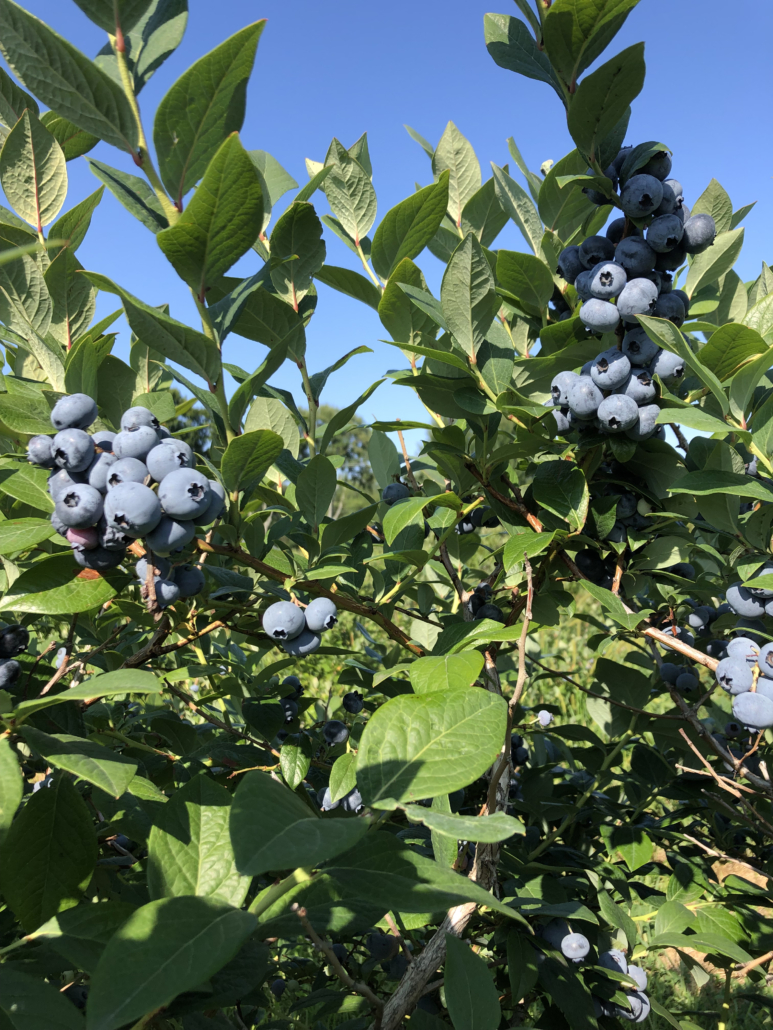
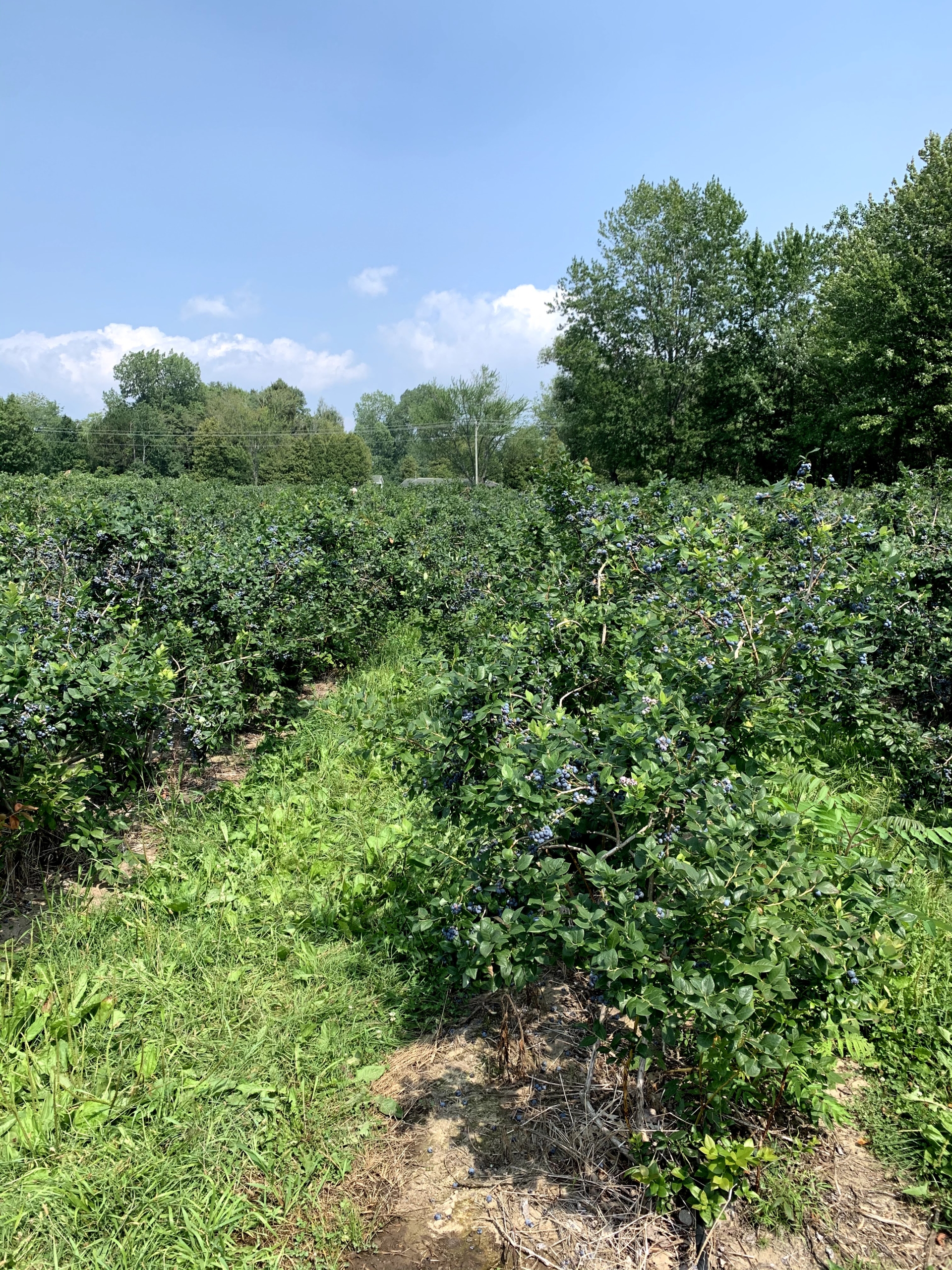
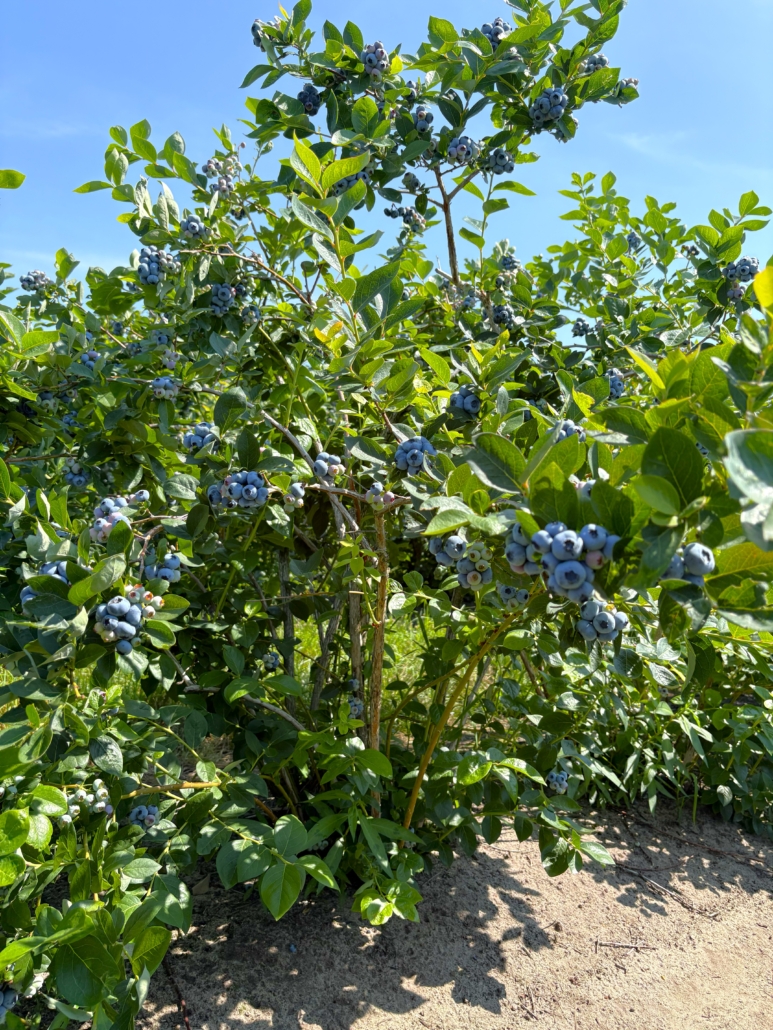
These are the go-to for most home gardeners—and the varieties we grow right here in Michigan.
- Thrive in cooler climates
- Produce large, flavorful berries
- Consistent harvests year after year
Varieties like Blue Crop and Blue Jay been trusted for decades because they simply perform.
If you’re looking for reliability and great-tasting fruit, this is where to start.
Half-High Blueberries (Cold Hardy & Compact)
Perfect for smaller spaces or colder regions.
- More compact plants
- Extremely winter hardy
- Great for containers or tight garden areas
They may stay smaller, but they’re incredibly resilient—and still produce quality fruit.
Extend Your Harvest with Multiple Varieties
One of the simplest ways to get more from your plants:
- Early season: Start your summer strong
- Mid-season: Peak production
- Late season: Keep harvesting longer
Plant a mix, and you’ll enjoy fresh blueberries for weeks instead of days. All of our Home Gardener Packages are designed to provide you with an Early, Mid, and Late variety.
Explore Real Varieties from Our Farm
If you want to see how these differences show up in real plants, we’ve put together a simple guide featuring the varieties we offer to growers and homeowners.
Inside, you’ll find trusted options like Bluecrop, Duke, Legacy, Polaris, and more—each with different harvest times, berry size, and growth habits.
👉 View our blueberry variety guide:
This gives you a clear, side-by-side look so you can choose with confidence—based on real-world growing experience.
Why Farm-Grown Blueberry Plants Matter
Where your plants come from plays a bigger role than most people think.
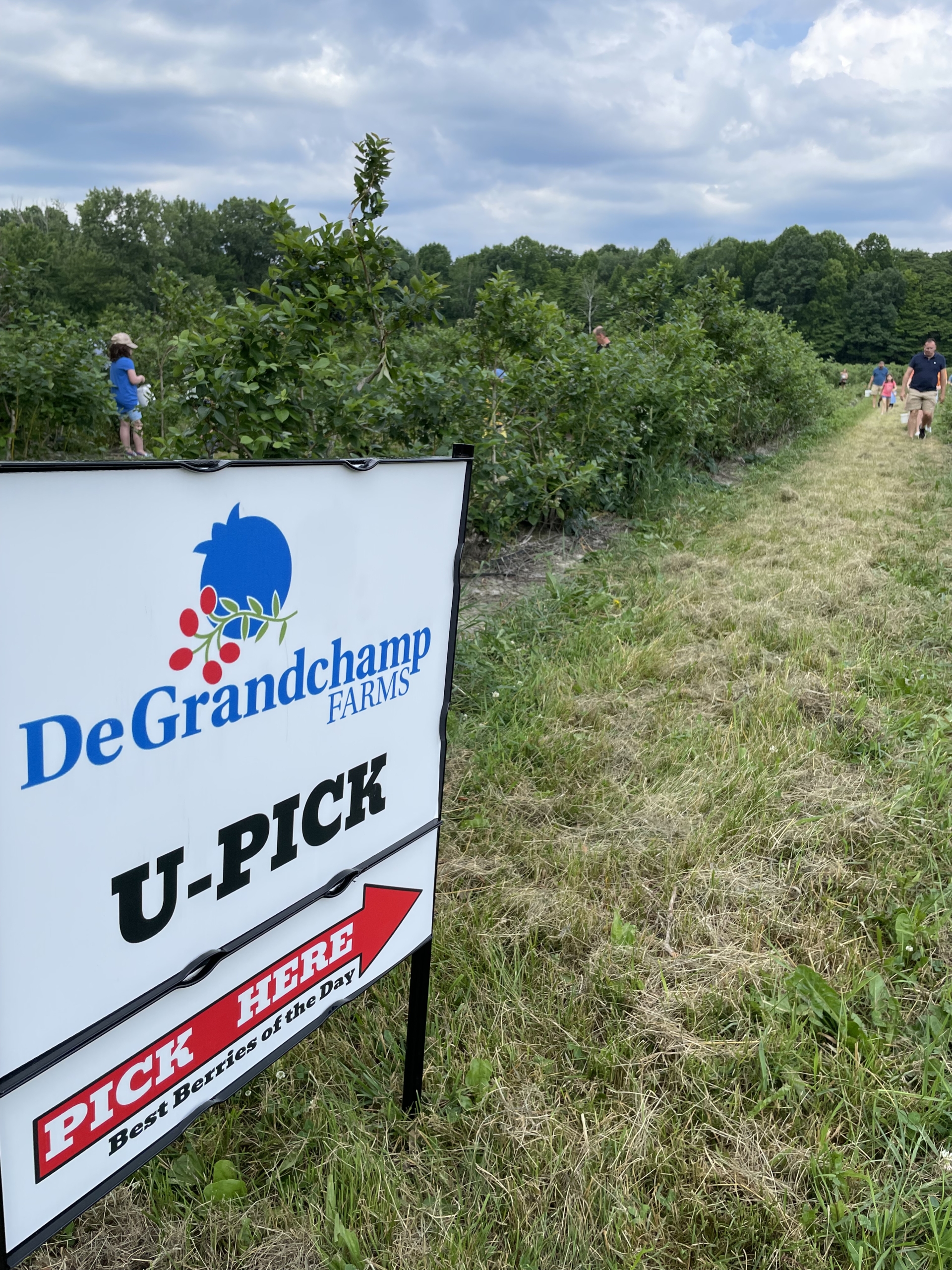
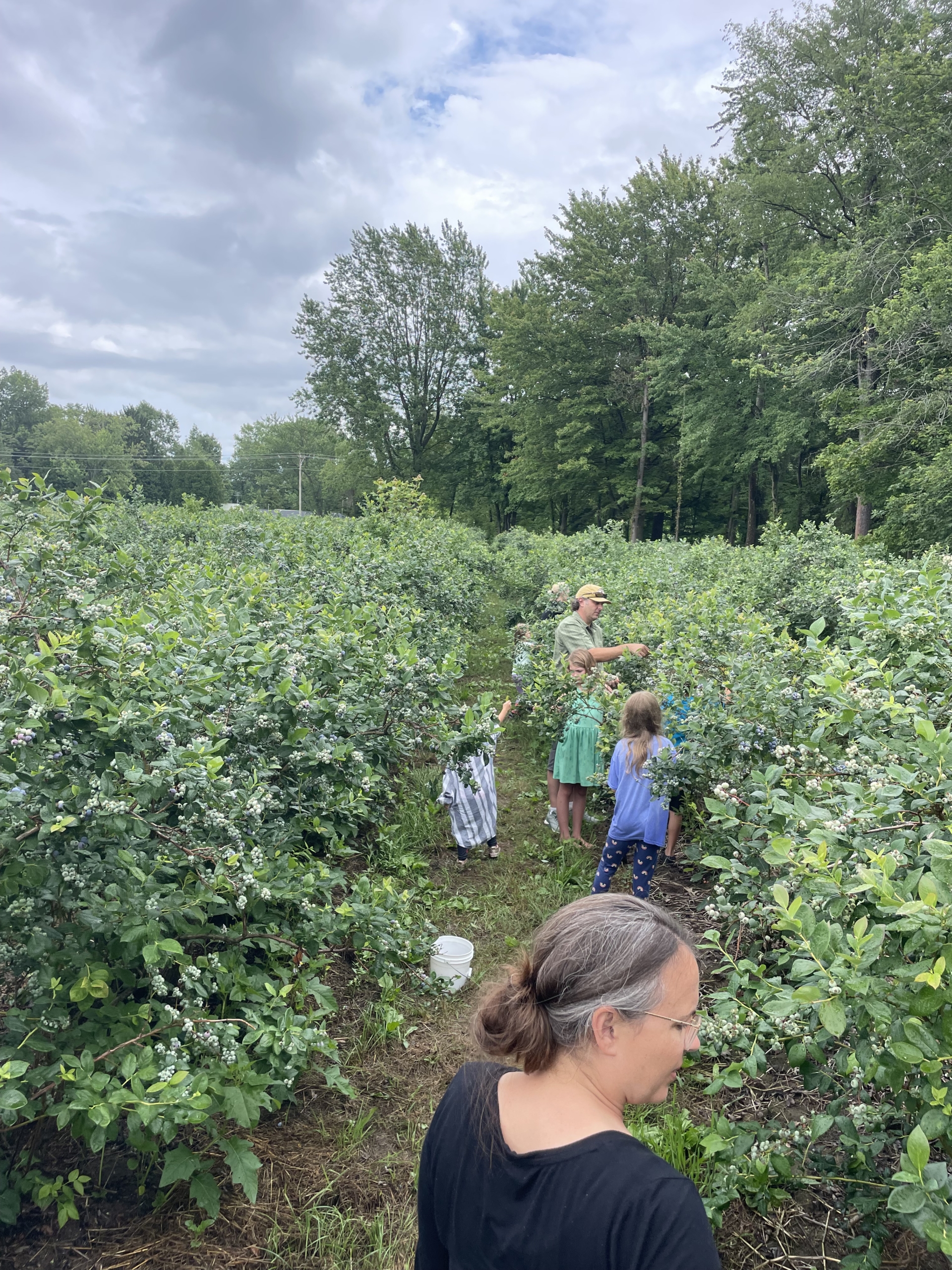
At DeGrandchamp Farms, we grow what we sell—right here in Michigan, with decades of hands-on experience behind every plant we offer.
That means your plants are:
- Selected and grown with real-world conditions in mind
- Proven to perform in northern climates
- Carefully handled from propagation to shipping
You’re not just buying a plant—you’re getting the benefit of over 65 years of growing knowledge.
Grown in Michigan. Proven to thrive.
Common Mistakes to Avoid
Avoiding a few simple mistakes can make the difference between frustration and a thriving harvest.
1. Choosing the Wrong Variety
Not all blueberries grow well in every region.
If you’re unsure what works in your area, start here:
👉 https://www.degrandchamps.com/home-gardener
Matching your plant to your climate is one of the easiest ways to ensure success.
2. Buying Based on Price Alone
Lower-cost plants often mean weaker roots or inconsistent growth.
Strong, farm-grown plants establish faster and produce sooner—saving you time and effort in the long run.
3. Planting Only One Variety
Blueberries produce better when cross-pollinated.
Planting multiple varieties leads to:
- Better yields
- Larger berries
- More consistent harvests
4. Expecting Instant Results
Blueberries are a long-term investment.
With the right start, they’ll reward you for years with bigger harvests and better fruit each season.
Start with Plants You Can Trust
Growing blueberries doesn’t have to feel complicated.
When you start with the right varieties—grown by a farm that understands them—you remove the guesswork and gain confidence from day one.
From your first planting to your first harvest, everything becomes more enjoyable.
From our farm to your garden.
Ready to Get Started?
Whether you’re planting your first bush or expanding your garden, choosing the right plants is the first step toward a harvest you’ll look forward to every year.
👉 Shop our blueberry plants here: https://degrandchamps.com/home-gardener/
Let’s get growing.